Introduction
Selecting the right Variable Frequency Drive (VFD) or frequency converter manufacturer in China is a critical decision that impacts your operational efficiency, equipment lifespan, and total cost of ownership. With hundreds of suppliers in the market—from specialized innovators to trading companies—buyers need a systematic evaluation framework.
This guide provides a technical, actionable approach to assessing frequency converter manufacturers, helping you identify partners capable of delivering reliable, compliant, and application-specific VFD solutions.
1. Define Your Technical Requirements First
Before contacting any frequency converter supplier, document your exact needs:
1.1 Application Parameters
-
Motor specifications: Power rating (kW/HP), voltage (380V, 480V, 690V), and current requirements
-
Load characteristics: Constant torque (conveyors, cranes) vs. variable torque (pumps, fans)
-
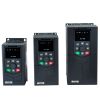
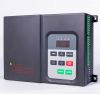
Control precision: V/F control for basic applications, or sensorless vector control for high-dynamic systems like our FST-650L Vector Control Inverter, which delivers low-speed high-torque output for demanding industrial scenarios
1.2 Environmental & Compliance Needs
-
Operating environment: Temperature range, humidity, dust levels, and altitude
-
Certification requirements: CE for Europe, UL for North America, or CCC for China domestic market (Not mandatory)
-
Communication protocols: Modbus RTU/TCP, Profibus, CANopen, or Ethernet/IP for Industry 4.0 integration
1.3 Lifecycle Expectations
-
Duty cycle: Continuous operation vs. intermittent use
-
Expected lifespan: 10-15 years for industrial-grade VFDs
-
Service accessibility: Local technical support availability
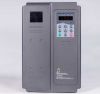
Why this matters: A manufacturer specializing in elevator drives (like our FST-820 Elevator VFD) understands braking dynamics and safety protocols that differ entirely from pump control applications. Matching manufacturer expertise to your use case reduces integration risks.
2. Evaluate Manufacturing Capabilities
2.1 Production Scale & Equipment
Genuine frequency converter manufacturers invest heavily in:
-
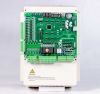
SMT assembly lines: For precise placement of IGBTs, capacitors, and control boards
-
Automated testing stations: Burn-in chambers, EMC testing equipment, and load simulators
-
Burn-in testing: 100% load testing for 4-24 hours to identify early failures
Verification tip: Request video evidence of testing protocols. Reputable suppliers maintain calibrated equipment and documented procedures.
2.2 Component Sourcing Transparency
The reliability of a VFD depends on its core components:
| Component |
Premium Brands |
Impact on Performance |
|
IGBT Modules
|
Infineon, Mitsubishi, Fuji
|
Switching efficiency, thermal management
|
|
DC Capacitors
|
EPCOS, Nichicon
|
Lifespan, ripple current handling
|
|
Control PCB
|
In-house design vs. outsourced
|
Firmware stability, customization capability
|
Red flag: Suppliers unwilling to disclose component brands or claiming "all top-tier" without documentation may use refurbished or counterfeit parts.
2.3 Vertical Integration
Manufacturers with in-house capabilities for:
-
PCB design and firmware development
-
Enclosure machining and thermal design
-
Software tool development (parameter configuration, remote monitoring)
...offer better customization and faster troubleshooting than assembly-only factories.
3. Assess Technical Competency & Innovation
3.1 Product Portfolio Breadth
A credible frequency converter manufacturer should offer:
-
Low Voltage VFDs: 0.4kW to 1000kW+ for general industrial applications
-
High Voltage Drives: 6kV/10kV for heavy industries like mining and cement
-
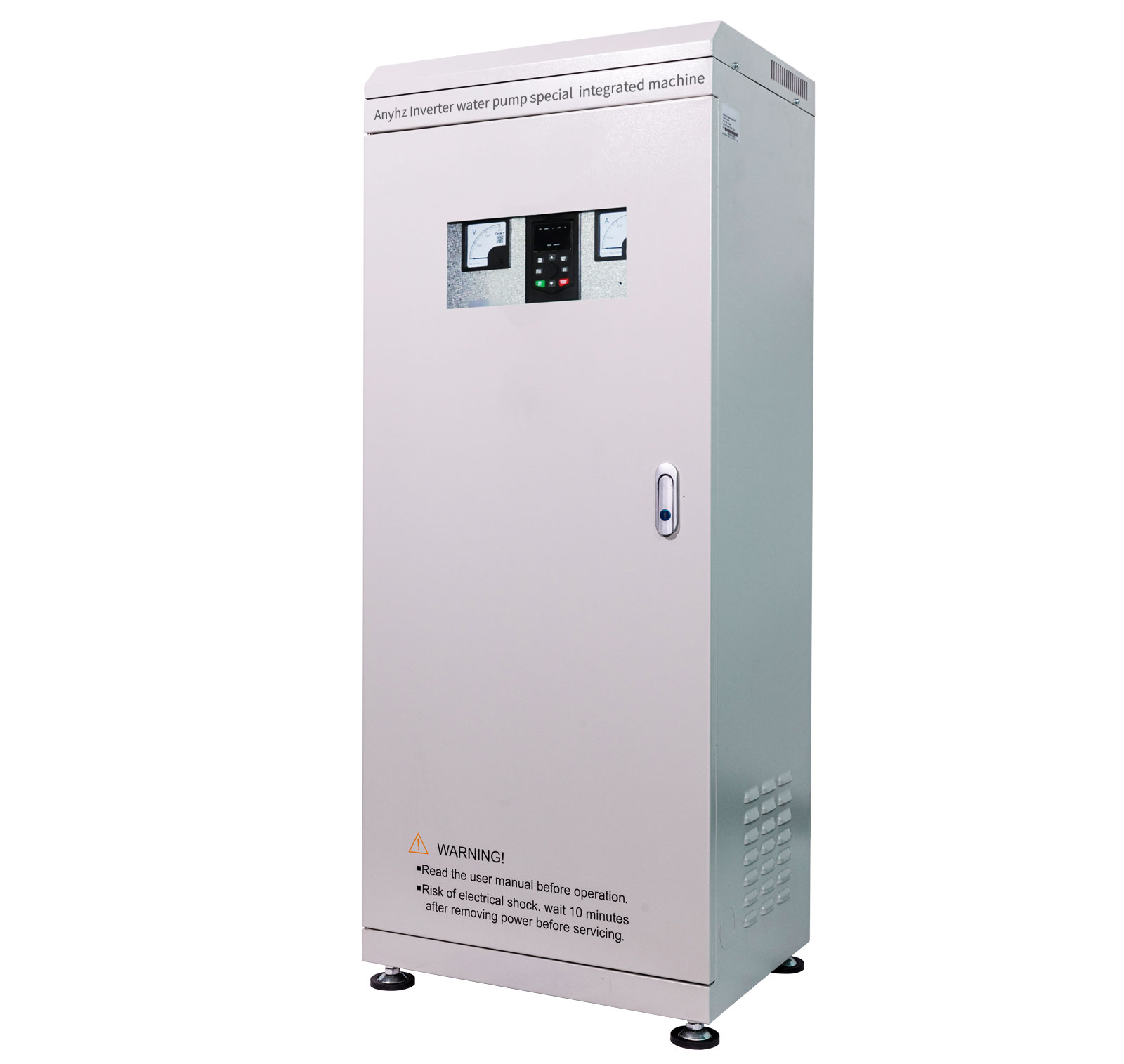
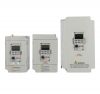
Application-Specific Solutions: Elevator drives, servo systems, or pump-integrated controllers like our water pump dedicated frequency converter all-in-one machine
Portfolio gaps: Be cautious of suppliers offering only narrow ranges—they may lack R&D depth or outsource critical designs.
3.2 Control Algorithm Sophistication
Modern VFDs should support:
-
V/F Control: Basic, economical speed regulation
-
Sensorless Vector Control: High starting torque (150% at 0.5Hz) without encoder feedback
-
Closed-Loop Vector Control: Precision speed/torque control for elevators and positioning systems
Evaluation method: Request demo units for your specific load type. Test starting torque, speed response, and stability under load variations.
3.3 Software & Connectivity
-
Programming tools: PC-based configuration software with graphical interfaces
-
Mobile accessibility: Apps for parameter monitoring and fault diagnosis
-
IoT readiness: Cloud connectivity for predictive maintenance
4. Verify Quality Management Systems
4.1 Certifications to Demand
| Certification |
What It Verifies |
Relevance |
|
ISO 9001
|
Quality management system
|
Baseline for process consistency
|
|
CE
|
EU safety & EMC compliance
|
Mandatory for European markets
|
|
UL/cUL
|
North American safety standards
|
Required for US/Canada installations
|
|
CCC
|
China compulsory certification
|
Needed for domestic Chinese projects
|
Critical check: Verify certificate authenticity via issuing body databases (TÜV, SGS, UL). Ensure certificates reference your specific product model, not just the company name.
4.2 Testing Protocols
Comprehensive frequency converter testing includes:
-
Incoming inspection: Component tolerance verification
-
In-process testing: PCB functionality, soldering quality
-
Final testing:
-
Insulation resistance (>100MΩ at 500VDC)
-
High-voltage withstand (2kVAC for 1 minute)
-
Load testing at 100% rated current
-
Thermal runaway verification
-
EMC emissions and immunity
Request documentation: Insist on factory test reports for your specific batch, not generic samples.
5. Evaluate After-Sales Support Infrastructure
5.1 Technical Support Accessibility
-
Response time: <24 hours for critical failures
-
Support channels: Phone, email, video conferencing, and field service
-
Documentation quality: User manuals, wiring diagrams, troubleshooting guides in your language
5.2 Spare Parts & Warranty
-
Warranty period: 12-24 months standard for industrial VFDs
-
Spare parts availability: 10-year commitment for key components
-
Repair turnaround: Local service centers vs. return-to-factory policies
5.3 Training & Knowledge Transfer
Leading manufacturers provide:
-
On-site commissioning assistance
-
Operator training on parameter setting and fault diagnosis
-
Application engineering support for complex systems
6. Conduct Supplier Verification
6.1 Business Legitimacy Check
-
Business license: Verify scope includes "frequency converter manufacturing"
-
Registration details: Use China's National Enterprise Credit System (gsxt.gov.cn)
-
Registered capital: ¥5M+ indicates serious manufacturing commitment
-
Operating history: 5+ years suggests stability
6.2 Reference Validation
Request 3-5 customer contacts and ask:
-
What VFD model did you purchase and for what application?
-
What was the actual failure rate over 2-3 years?
-
How responsive was technical support for urgent issues?
-
Were there any hidden costs (customs, documentation, commissioning)?
6.3 Factory Audit (Recommended)
If visiting isn't feasible, hire third-party inspectors (SGS, Bureau Veritas) to verify:
-
Production floor organization and cleanliness
-
Testing lab equipment and calibration records
-
R&D team size and active projects
-
Warehouse inventory management
7. Red Flags: When to Walk Away
| Warning Sign |
Risk Level |
Why It Matters |
|
Refuses factory audit
|
Critical
|
Hidden quality or subcontracting issues
|
|
Cannot provide original certificates
|
Critical
|
Counterfeit or non-compliant products
|
|
Prices 30%+ below market
|
High
|
Substandard components, no testing
|
|
No local technical support
|
High
|
Extended downtime, high service costs
|
|
Vague warranty terms
|
Medium
|
Limited recourse for failures
|
|
No application references
|
Medium
|
Unproven in real-world conditions
|
8. The Total Cost of Ownership Perspective
When comparing frequency converter suppliers, look beyond unit price:
| Cost Factor |
Low-Quality Supplier |
Quality Manufacturer |
|
Initial price
|
Lower
|
10-20% higher
|
|
Installation
|
Higher (integration issues)
|
Standard
|
|
Energy efficiency
|
3-5% losses
|
<2% losses (pays back in 1-2 years)
|
|
Downtime cost
|
Frequent, unplanned
|
Minimal, scheduled maintenance
|
|
Lifespan
|
3-5 years
|
10-15 years
|
|
Spare parts
|
Limited availability
|
10-year support commitment
|
Reality: A VFD failing in a critical application can cost more in downtime than the drive itself. Reliability and support justify premium pricing.
9. Application-Specific Selection Criteria
9.1 HVAC & Water Pump Systems
-
Priority: Energy efficiency, soft-start capability, multi-pump control
-
Look for: Dedicated pump control curves, sleep/wake functions, and all-in-one integrated solutions
9.2 Elevator & Hoist Applications
-
Priority: Safety, braking control, ride comfort
-
Look for: EN81-20 compliance, dedicated elevator control algorithms, and proven installations like our FST-820 Elevator VFD with closed-loop vector control
9.3 Heavy Industry (Mining, Cement)
-
Priority: Ruggedness, high-voltage capability, long cable drives
-
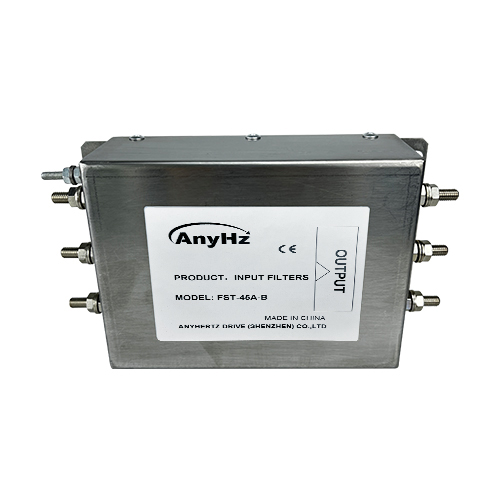
Look for: High Voltage VFDs (6kV/10kV), input/output filters for harmonic mitigation, and medium-voltage expertise
9.4 OEM & Machine Building
-
Priority: Customization, compact size, communication flexibility
-
Look for: OEM customization programs, compact designs, and protocol compatibility
Conclusion
Choosing a frequency converter manufacturer in China requires balancing technical capability, quality assurance, and long-term support. The lowest price rarely delivers the lowest total cost of ownership.
By systematically evaluating suppliers against the criteria in this guide—manufacturing depth, component transparency, testing rigor, and application expertise—you mitigate risks and establish partnerships that deliver reliable Variable Frequency Drive performance for years.
Key takeaway: Invest time in verification upfront. A 2-week due diligence process can prevent years of operational headaches and unexpected costs.
For technical specifications on our FST series VFDs, including vector control inverters, elevator drives, and high-voltage solutions, visit our product pages or contact our application engineering team.



 Contact Us


