News
Site Editor
 Site
https://cdn.anyhz.com/uploads/image/653decbc2fb16.png
Variable Frequency Drives (VFDs) in HVAC Systems: Intelligent Energy Optimization for Fan & Pump Control
Site
https://cdn.anyhz.com/uploads/image/653decbc2fb16.png
Variable Frequency Drives (VFDs) in HVAC Systems: Intelligent Energy Optimization for Fan & Pump Control
Variable Frequency Drives (VFDs) in HVAC Systems: Intelligent Energy Optimization for Fan & Pump Control
Views: 1195
Author: Site Editor
Publish Time: 2026-05-12
Origin: Site
Introduction: Unlock unprecedented energy efficiency in your HVAC operations. With building systems accounting for nearly 40% of global energy consumption, Anyhz Variable Frequency Drives (VFDs) deliver the intelligent control solution that modern fan and pump systems demand—reducing operating costs by up to 60% while extending equipment lifespan and achieving precision environmental control.
Project Background
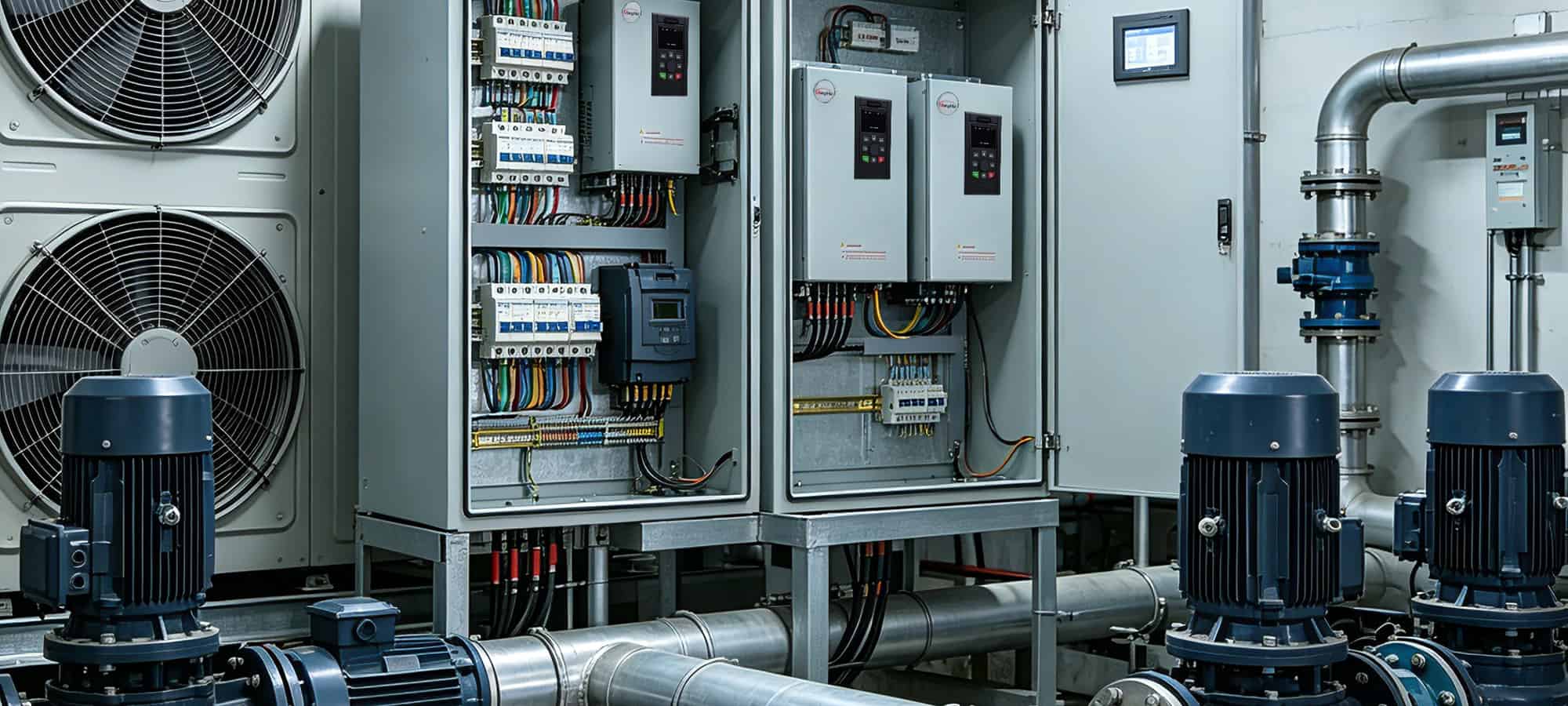
Modern commercial buildings and industrial facilities consume 40%-60% of total building energy through HVAC systems, with fans and pumps serving as core power equipment whose operational efficiency directly impacts overall energy performance. Traditional fixed-frequency control methods result in severe energy waste, accelerated equipment wear, and poor temperature/humidity control accuracy. ANYHZ high-performance Variable Frequency Drives deliver comprehensive energy optimization solutions through precise speed regulation control for HVAC systems.
Technical Solution Architecture
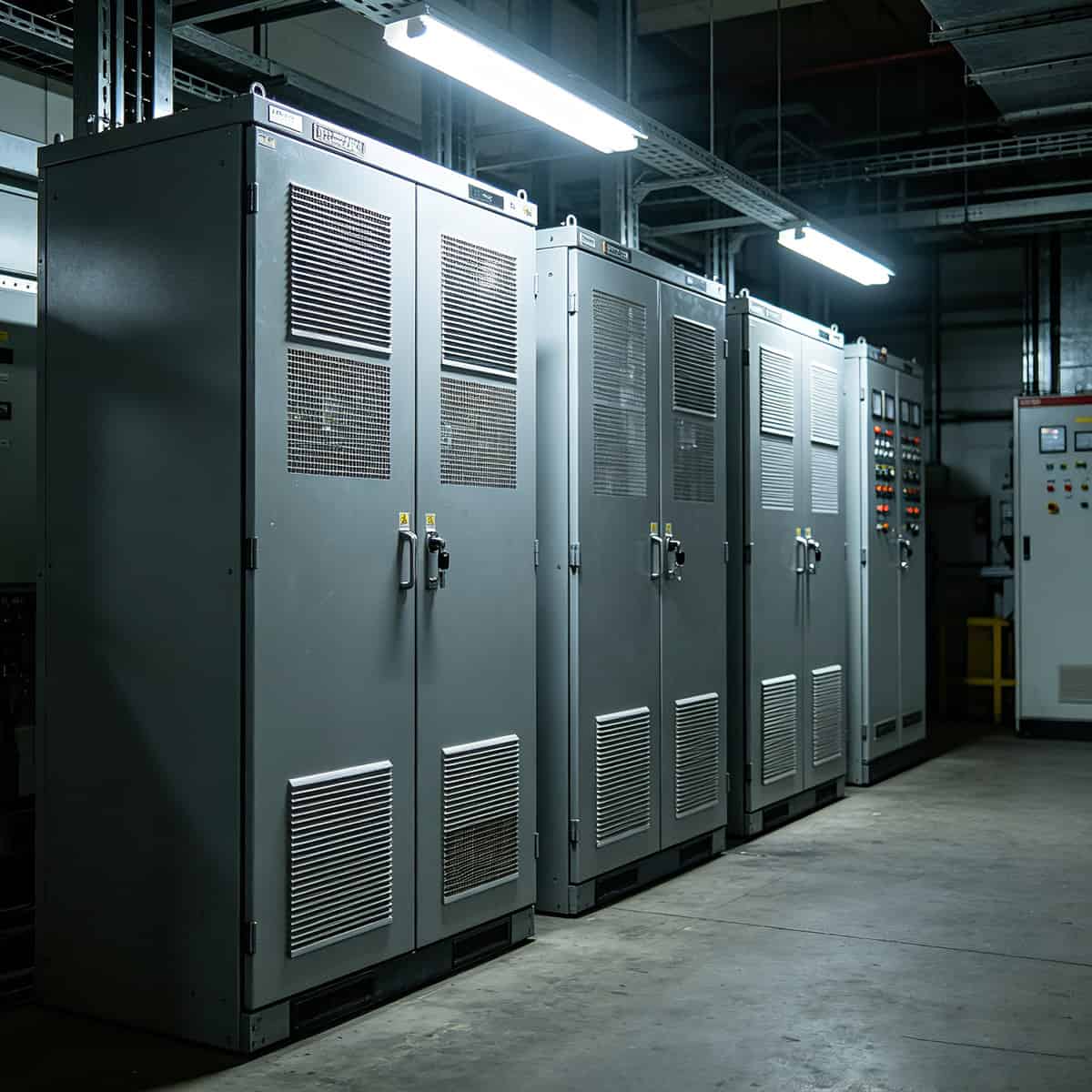
1. VFD Optimization for Fan Systems
Application Scenarios: Central air conditioning supply/return air systems, cooling tower fans, fresh air handling units, exhaust systems
Core VFD Optimization Values:
-
Air Supply Optimization: Automatically adjusts fan speed based on actual load demand, eliminating energy waste from oversized equipment operation
-
Soft Start Optimization: Eliminates 7-8x inrush current during direct motor starting, reducing grid voltage drop and mechanical stress
-
Air Pressure Balance Optimization: Maintains constant duct pressure through PID closed-loop control, ensuring uniform air distribution at terminal units
-
Noise Control Optimization: Significantly reduces aerodynamic noise during low-frequency operation, improving building acoustic environment quality
Energy Saving Mechanism: According to fluid machinery affinity laws, fan power is proportional to the cube of rotational speed. When air volume demand drops to 80%, VFD speed control achieves over 50% energy savings.
2. VFD Optimization for Pump Systems
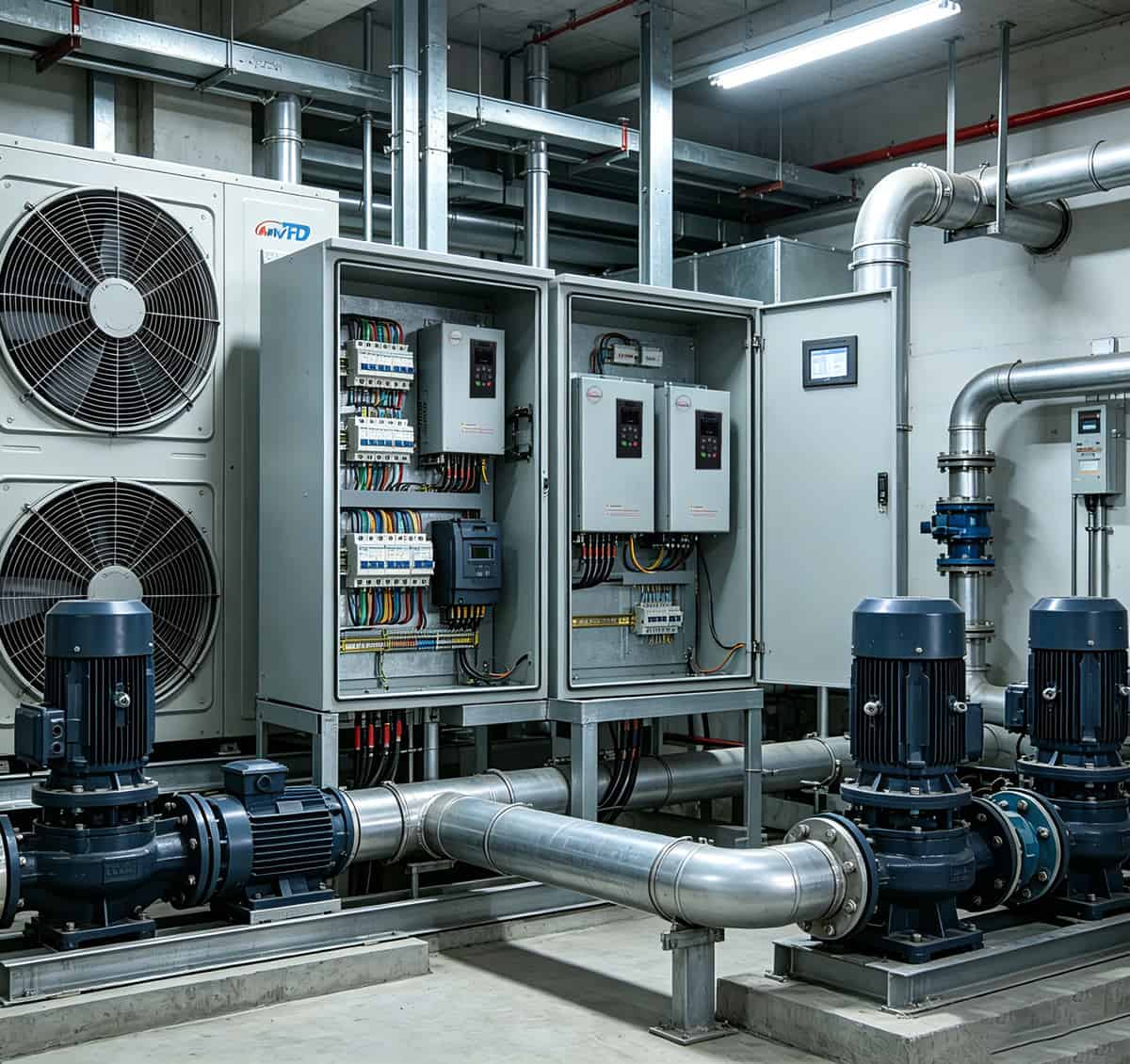
Application Scenarios: Chilled water circulation pumps, cooling water circulation pumps, hot water boiler circulation pumps, makeup water pressurization systems
Core VFD Optimization Values:
-
Temperature Differential Control Optimization: Dynamically regulates water flow based on supply/return water temperature difference, maintaining optimal heat exchange efficiency
-
Pressure Differential Control Optimization: Ensures system hydraulic balance through most unfavorable loop pressure control, preventing overflow or underflow
-
Multi-Pump Coordination Optimization: Supports automatic duty/standby pump rotation and multiple pump VFD coordination, enhancing system redundancy
-
Anti-Surge Optimization: Special curve control algorithms prevent pump cavitation and surge phenomena in low-flow regions
Energy Saving Mechanism: Pump systems follow affinity laws. Under partial load conditions, VFD speed control saves 30%-60% more energy than traditional valve throttling regulation, with significantly improved system operational stability.
System Optimization Configuration
Hardware Architecture Optimization
-
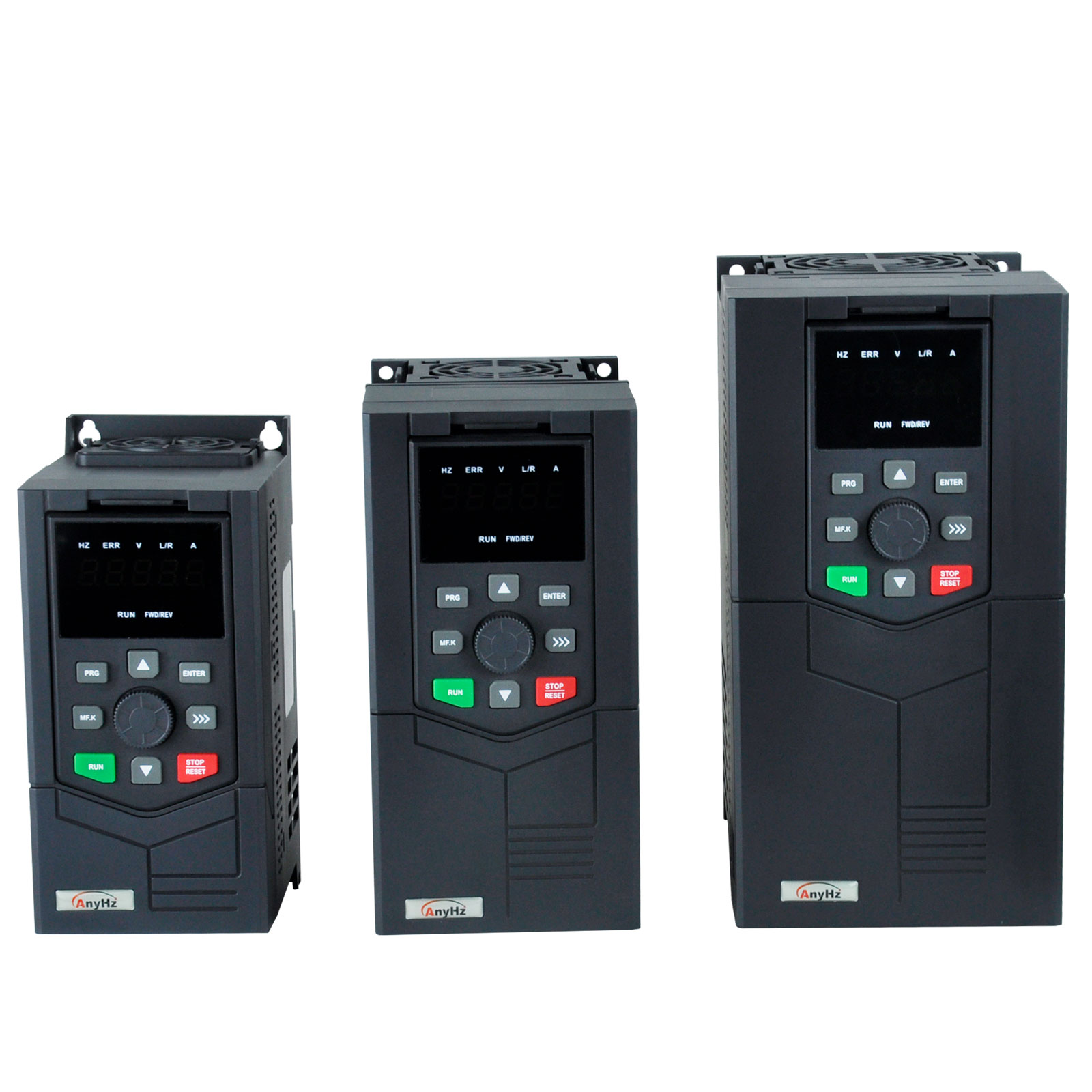
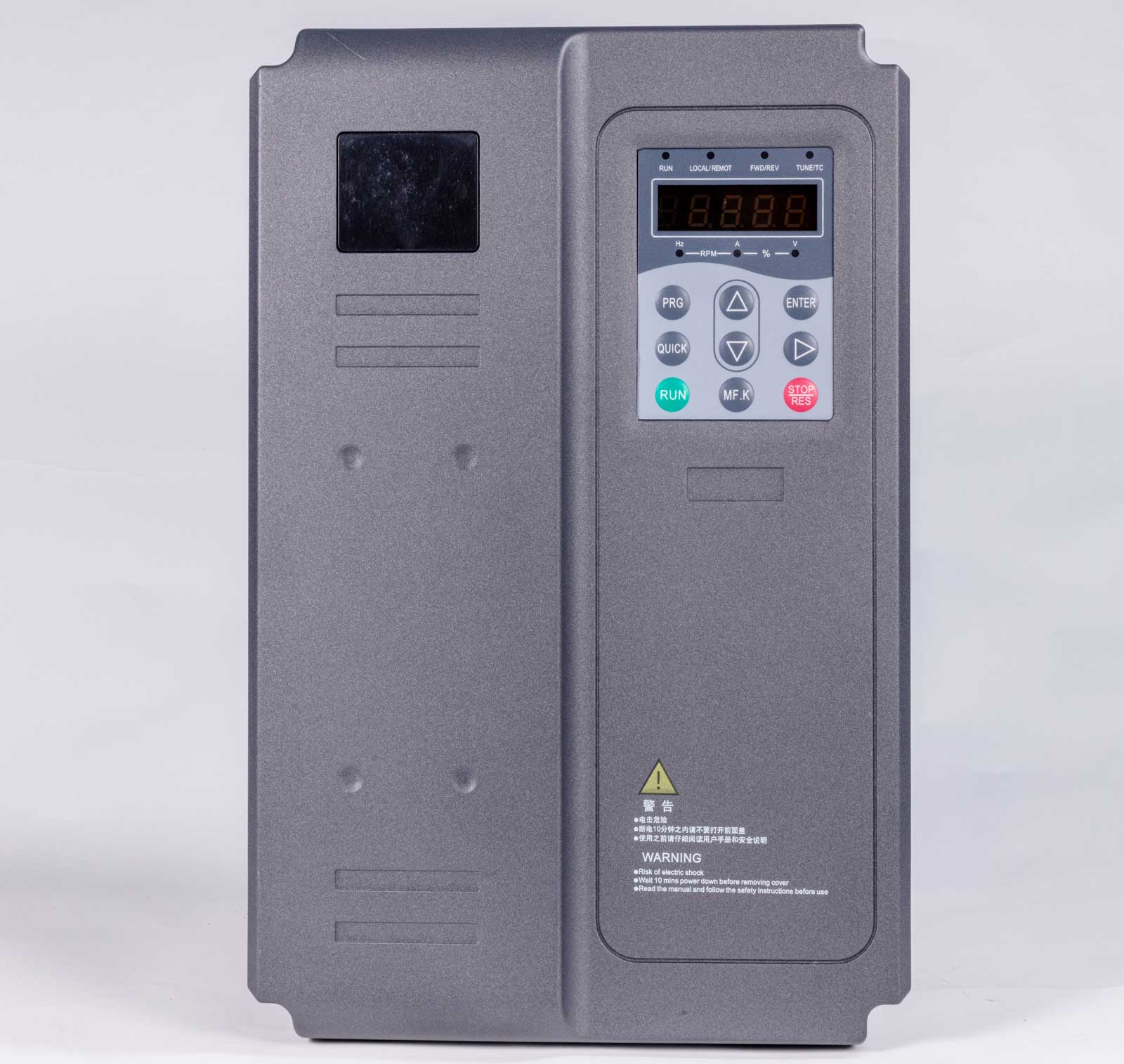
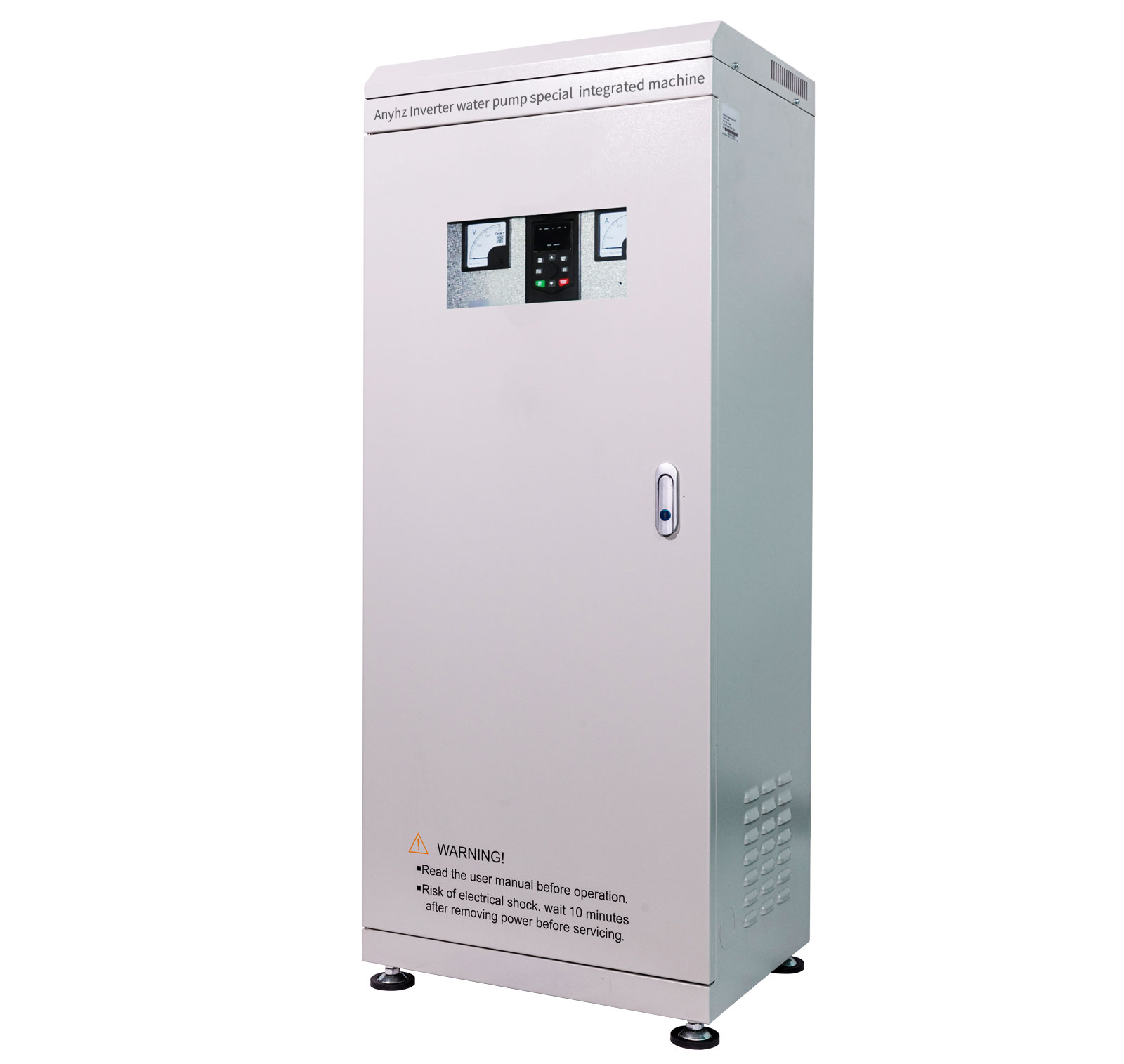
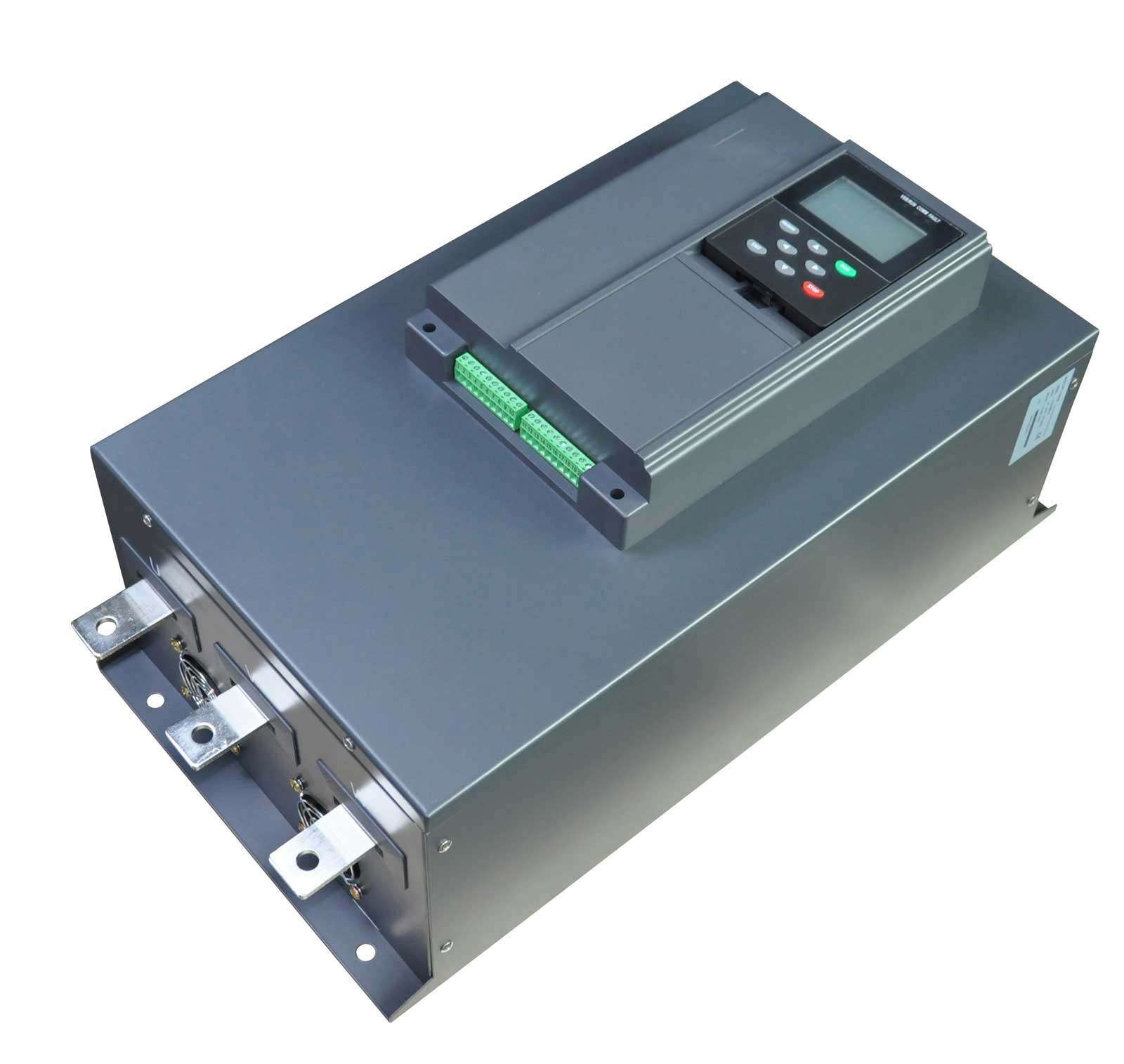
Anyhz High-Performance Vector Control VFD: Full power coverage from 0.75kW to 500kW, supporting both three-phase asynchronous motors and permanent magnet synchronous motors
-
Intelligent Sensor Network: Real-time acquisition of temperature, pressure, flow rate, and humidity parameters
-
Communication Interface Optimization: Standard RS485/Modbus
-
Bypass Redundancy Design: Supports automatic frequency/variable frequency switching, ensuring high system availability
Software Function Optimization
-
Built-in HVAC Dedicated Macros: Pre-configured parameter sets for typical applications including fans, pumps, and cooling towers
-
Multi-Speed Optimization Control: Supports 8 preset speeds or 16 programmable operating curves
-
Sleep/Wake Optimization: Automatic sleep mode during low load, millisecond-level response wake-up when load increases
-
Fault Self-Diagnosis Optimization: Comprehensive motor protection against overcurrent, overvoltage, undervoltage, overheating, and phase loss
Typical Application Case Data
Case 1: Commercial Complex Central Air Conditioning Energy Retrofit
Project Overview: 50,000 m² shopping center with original fixed-frequency system consuming 2.8 million kWh annually
VFD Optimization Solution:
-
Chilled water pumps: 45kW × 3 units, variable frequency coordinated control
-
Cooling water pumps: 30kW × 2 units, temperature differential tracking control
-
Cooling tower fans: 15kW × 4 units, wet-bulb temperature approach control
-
AHU fans: 22kW × 8 units, CO₂ concentration-linked variable air volume control
Optimization Results:
-
Annual Energy Savings: 1.12 million kWh (40% energy saving rate)
-
Power Factor: Improved from 0.82 to 0.96
-
Equipment Maintenance Cycle: Extended by 2.5x
-
Investment Payback Period: 14 months
-
Carbon Emission Reduction: 86 tons CO₂ annually
Case 2: Hospital Cleanroom HVAC Precision Control
Project Overview: Tertiary hospital operating rooms and ICU areas requiring ±0.5℃/±5%RH temperature/humidity control accuracy
VFD Optimization Solution:
-
Circulation fans: Variable frequency stepless speed control with high-efficiency filter differential pressure monitoring
-
Reheat water pumps: Precise hot water flow regulation based on dew point temperature
-
Humidification pumps: Steam humidification quantity closed-loop control
Optimization Results:
-
Temperature/Humidity Control Accuracy: Achieved ±0.3℃/±3%RH, exceeding industry standards
-
Energy Consumption Reduction: 35% savings compared to fixed-frequency systems
-
Operating Noise: Below 42dB, meeting medical environment requirements
-
Equipment Failure Rate: Reduced by 70%
Core Technical Advantages of VFD Optimization Control
1. Deep Energy Efficiency Optimization
-
High-efficiency operation across full load range, with particular optimization during partial load conditions
-
Optional built-in energy feedback unit for regenerative braking energy recovery to grid
-
Real-time power monitoring function for precise energy saving benefit measurement
2. Motor Drive Performance Optimization
-
Open-loop vector control: 150% rated torque at 0.5Hz, ensuring reliable low-speed high-load starting
-
Automatic torque boost: Automatically optimizes V/F curve based on load characteristics
-
Motor parameter auto-tuning: One-touch identification of motor electrical parameters for optimized control model
3. System Reliability Optimization
-
Circuit Protection Optimization: Real-time IGBT module temperature monitoring with intelligent load reduction or shutdown protection
-
Environmental Adaptability Optimization: IP54 protection rating, -10℃ to 50℃ wide temperature operation
-
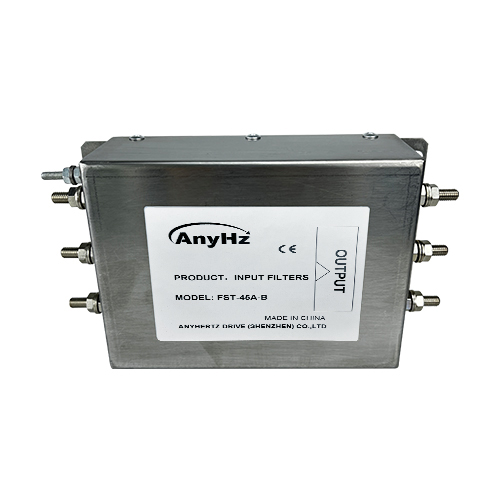
Electromagnetic Compatibility Optimization: Built-in DC reactor for harmonic suppression and grid pollution prevention
4. Intelligent O&M Optimization
-
Predictive Maintenance Optimization: Trend analysis based on operational data for early warning of bearing wear, impeller fouling, and other faults
-
Remote Monitoring Optimization: 4G/5G module access to cloud platform for real-time mobile terminal management
-
Energy Efficiency Reporting Optimization: Automatic generation of daily/weekly/monthly energy consumption analysis reports for quantified energy saving benefits
Implementation Pathway & Benefit Assessment
Four-Step Implementation Method
-
System Diagnosis Optimization: On-site energy audit to identify high-energy consumption nodes and optimization potential
-
Customized Solution Optimization: VFD configuration and control strategy design based on load characteristic curves
-
Engineering Implementation Optimization: Professional installation and commissioning ensuring electromagnetic compatibility and thermal management compliance
-
Continuous Optimization: Data-driven parameter fine-tuning for long-term operational efficiency maximization
Investment Return Model
| Building Type |
Installed Capacity |
Energy Saving Rate |
Annual Electricity Savings |
Payback Period |
|
Commercial Office
|
200kW
|
35-45%
|
25,000-35,000
|
1.5-2 years
|
|
Hotel
|
160kW
|
30-40%
|
18,000-28,000
|
1.5-2.5 years
|
|
Healthcare
|
315kW
|
25-35%
|
30,000-45,000
|
2-3 years
|
|
Industrial Plant
|
500kW
|
40-55%
|
60,000-90,000
|
1-1.8 years
|
Conclusion
Driven by "dual carbon" goals, HVAC system energy retrofitting has become the primary battlefield for building energy efficiency improvement. Anyhz Variable Frequency Drives (VFDs), with their exceptional speed regulation performance, comprehensive protection functions, and intelligent control strategies, provide complete solutions for fan and pump systems—from energy efficiency optimization and operating cost reduction to full lifecycle equipment management. Through precise variable frequency speed control, significant energy savings are achieved while enhancing system stability and automation levels, creating sustainable economic value and environmental benefits for users.
Contact the Anyhz technical team today for your exclusive HVAC VFD energy optimization solution!
Article Tags
Variable Frequency Drive, VFD, HVAC Energy Saving, Fan Control, Pump Speed Regulation, Smart Building, Energy Management, HVAC Optimization



 Contact Us


